Hannibal (2001) — A Pittsburgh Connection
I just rewatched Hannibal (2001), the direct sequel to The Silence of the Lambs — the film where Anthony Hopkins first portrayed the infamous Hannibal Lecter and won the Academy Award for Best Actor in 1991.
What many people don’t know is that the original masterpiece, The Silence of the Lambs, was largely filmed in my hometown of Pittsburgh. And in a strange twist, I’ve spent time at several of the filming locations myself.
The mental institution where Hannibal Lecter first resides was a real place called Western Center, just a couple of miles south of Pittsburgh. It functioned as a mental institution well into the early 1990s. When I was in ninth or tenth grade, I had a study hall where my friends and I were allowed to go to the music room and play guitar. One day, our music teacher asked if we’d be willing to go to Western Center and play for the patients there. So we did — and it was a pretty wild experience. The patients had a wide variety of physical and mental disabilities, and it was clear that many were very unwell.
The Western Center façade dated from the early part of the 20th century, which made it perfect for depicting the Baltimore State Hospital for the Criminally Insane in The Silence of the Lambs. [It was also used in Red Dragon (2002) — which, while released after Hannibal, is actually a prequel to The Silence of the Lambs in the story timeline.]
Behind the main building was a campus of smaller, dilapidated facilities that stretched back to the early 1900s. In late high school, my friends and I went there one October just to explore and freak ourselves out. It was genuinely terrifying — abandoned rooms with chains still attached to the walls, old hospital beds thrown around. Many institutions of that era carried a stigma of abuse and neglect, and Western Center was no exception. That stigma eventually contributed to its closure and ultimate demolition.
Having spent even a minimal amount of time there, I honestly don’t know how the nurses and workers managed it in the early 1990s — let alone in 1911. It was a visibly difficult situation for both the patients and the healthcare workers.
The climactic escape scene in The Silence of the Lambs was filmed at the Soldiers & Sailors Memorial Hall in Pittsburgh. Every year around Halloween, they recreate Hannibal Lecter’s glass cage and screen the film — it’s become a beloved local tradition.
My son and I are both history buffs, and we’ve spent a lot of time at Soldiers & Sailors. They have a remarkable walk-through timeline of America’s wars, and the Civil War relics are especially compelling. There’s a partial tree from Gettysburg riddled with bullets and shell fragments — just looking at it, you begin to understand how brutal that battle truly was.
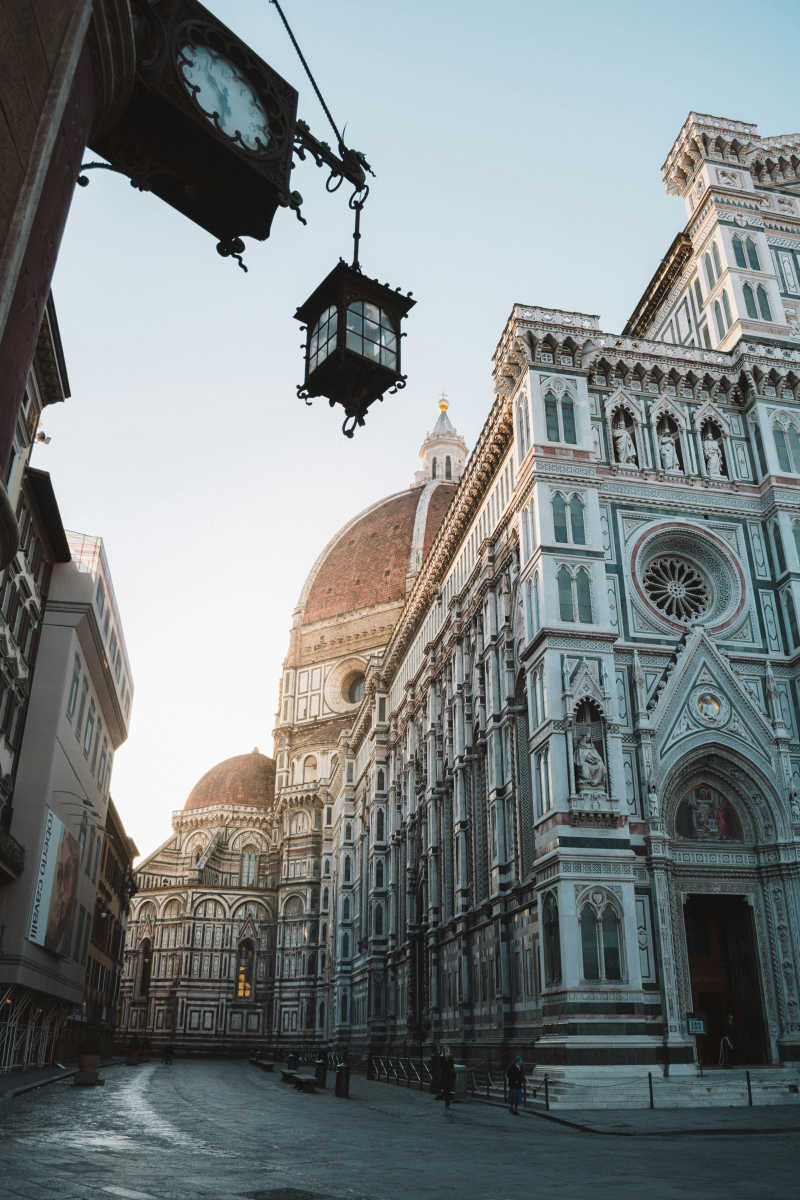
The sequel, Hannibal (2001), directed by Ridley Scott, is a film I think is genuinely fantastic — and widely underrated. It brings Lecter out of the shadows and places him in what would be his natural comfort zone: Florence, Italy.
In the film, Lecter is living under an alias as the director of a Florentine library, luxuriating in art, music, and food — seemingly all day long. His quiet retirement is disturbed when one of his former victims, Mason Verger — a disfigured billionaire played by Gary Oldman — finally tracks him down. This sets off a cat-and-mouse game involving Clarice Starling, now played by Julianne Moore.
Ridley Scott was absolutely at the height of his powers here. The cinematography, editing, and visual storytelling are top-notch — and honestly, I think they still hold up today.
The score is by Hans Zimmer, but the centerpiece of the film is an extraordinary opera scene featuring Vide Cor Meum, composed by the brilliant Irish composer Patrick Cassidy and produced by Hans Zimmer. The piece is a setting of Dante’s La Vita Nuova — a 13th century Italian poem about transcendent, unrequited love — and it remains Patrick Cassidy’s most celebrated work to this day.
It is, quite simply, one of the most beautiful pieces of music ever written for a film.
How to play Vide Cor Meum | fingerstyle guitar
The guitar tab for this piece is beautifully written across 2 pages. I recommend it for beginner guitar players and up –as the chord shapes are really easy to play.
You’ll notice that my right hand technique as I play the ever changing chords with this song. I lifted that from Gustavo Santaolalla. I’ve done a post on how to do it and practice it here.
Enjoy! The guitar tab is available below:
You’ll play Vide Cor Meum straight through repeating the [ bracketed “End” section] as the end of the arrangement.
[guitar tab] **Hannibal (2001): Vide Cor Meum | fingerstyle guitar
This piece is played in standard tuning with a capo on the 2nd fret.